The church has an ancient story to tell, a story that has come down through the ages. We may tell different versions of the story, but the underlying theme is the same: God has broken into human history to share with humanity an invitation to relationship. From the advent of the printing press, to musical instruments, to modern church buildings with LCD projectors and computers, the church has adapted the means of communicating the gospel to the changing times. Adapting that message to the available technology and language helps the church reach out in meaningful ways to people around the world.
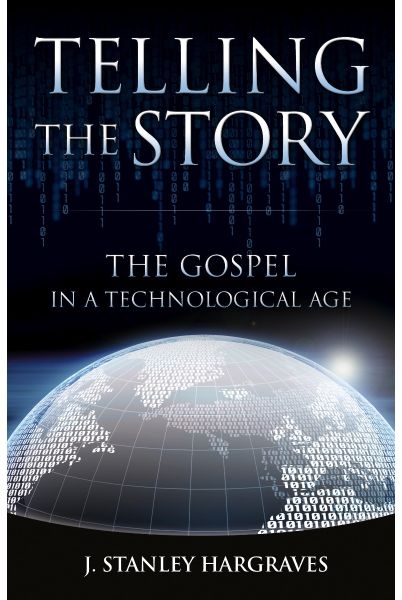
As Telling the Story: The Gospel in a Technological Age explores ways the story has been told and some of the biblical and theological themes related to the use of technology for communicating the gospel, readers will discover that God uses many tools to introduce people to a meaningful and life-changing relationship.
J. Stanley Hargraves is a clergy member of the Virginia Conference of the United Methodist Church and currently serves as the director of program development for The Center for Ministry and Leadership Development at Union Presbyterian Seminary in Richmond, Virginia. Prior to coming to Union he served sixteen years in parish ministry. He and his wife, Diane, have two children.
Story is the way the human brain is wired to remember. From the Gutenberg Bible to Kindle, the story has found a way to be stored, but it always has required someone to tell it. Stan Hargraves reminds us that our task as Christians in this age is still to tell the story and that it can be told with relevance and power.
The church has an ancient story to tell, a story that has come down through the ages. We may tell different versions of the story, but the underlying theme is the same: God has broken into human history to share with humanity an invitation to relationship. From the advent of the printing press, to musical instruments, to modern church buildings with LCD projectors and computers, the church has adapted the means of communicating the gospel to the changing times. Adapting that message to the available technology and language helps the church reach out in meaningful ways to people around the world.
As Telling the Story: The Gospel in a Technological Age explores ways the story has been told and some of the biblical and theological themes related to the use of technology for communicating the gospel, readers will discover that God uses many tools to introduce people to a meaningful and life-changing relationship.
J. Stanley Hargraves is a clergy member of the Virginia Conference of the United Methodist Church and currently serves as the director of program development for The Center for Ministry and Leadership Development at Union Presbyterian Seminary in Richmond, Virginia. Prior to coming to Union he served sixteen years in parish ministry. He and his wife, Diane, have two children.
Story is the way the human brain is wired to remember. From the Gutenberg Bible to Kindle, the story has found a way to be stored, but it always has required someone to tell it. Stan Hargraves reminds us that our task as Christians in this age is still to tell the story and that it can be told with relevance and power.

Login and Registration Form