The prophet Isaiah’s influence extended from his long career in Jerusalem in the late 8th century bce through Judah’s exilic and Second Temple periods. Through the ages in both Judaism and Christianity, Isaiah’s words have funded subsequent theological writings, liturgies, lectionaries, hymns, poetry, and art. Among early Christian writings, Isaiah was seen as “evangelist rather than prophet,” foretelling Christ’s birth, life, death, and resurrection—a view that continues to prevail today, though scholars have long argued that Isaiah addressed his own time and not, in the first instance, the distant future.
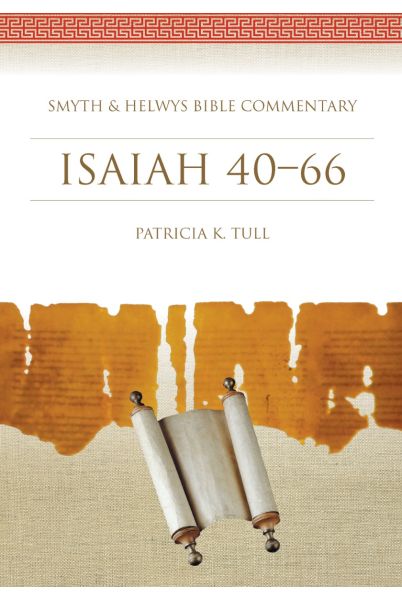
Readers of Tull’s engaging guide will come to understand Isaiah as visionary spokesperson of ancient Jerusalem’s God in a critical moment in the history of western faith. They will learn about the paths the book traveled as it grew, absorbed new meanings, underwent reinterpretion, and emerged as Scripture for synagogues and churches. Preachers, teachers, and students will imagine afresh the connections between modern people and this ancient book.
Patricia K. Tull is A. B. Rhodes Professor Emerita of Old Testament at Louisville Presbyterian Seminary. She is co-editor of As Those Who Are Taught: The Interpretation of Isaiah from the LXX to the SBL and author of Remember the Former Things: The Recollection of Previous Texts in Second Isaiah, as well as of other publications on Psalms, Ruth, Esther, 1–2 Samuel, Christian-Jewish relations, and scriptural interpretation. An ordained Presbyterian minister, she has served churches in Texas and Illinois, and continues to lead travelers to the Middle East and to preach and teach in a variety of venues.
The prophet Isaiah’s influence extended from his long career in Jerusalem in the late 8th century bce through Judah’s exilic and Second Temple periods. Through the ages in both Judaism and Christianity, Isaiah’s words have funded subsequent theological writings, liturgies, lectionaries, hymns, poetry, and art. Among early Christian writings, Isaiah was seen as “evangelist rather than prophet,” foretelling Christ’s birth, life, death, and resurrection—a view that continues to prevail today, though scholars have long argued that Isaiah addressed his own time and not, in the first instance, the distant future.
Readers of Tull’s engaging guide will come to understand Isaiah as visionary spokesperson of ancient Jerusalem’s God in a critical moment in the history of western faith. They will learn about the paths the book traveled as it grew, absorbed new meanings, underwent reinterpretion, and emerged as Scripture for synagogues and churches. Preachers, teachers, and students will imagine afresh the connections between modern people and this ancient book.
Patricia K. Tull is A. B. Rhodes Professor Emerita of Old Testament at Louisville Presbyterian Seminary. She is co-editor of As Those Who Are Taught: The Interpretation of Isaiah from the LXX to the SBL and author of Remember the Former Things: The Recollection of Previous Texts in Second Isaiah, as well as of other publications on Psalms, Ruth, Esther, 1–2 Samuel, Christian-Jewish relations, and scriptural interpretation. An ordained Presbyterian minister, she has served churches in Texas and Illinois, and continues to lead travelers to the Middle East and to preach and teach in a variety of venues.

 Smyth & Helwys Bible Commentary Published Volume Bundle
Login and Registration Form