
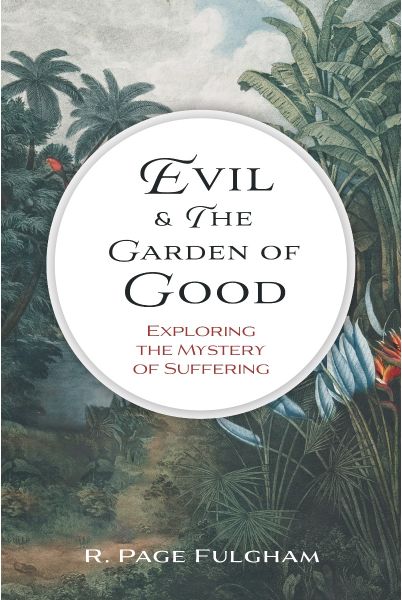
Evil & the Garden of Good

Exploring the Mystery of Suffering
R. Page Fulgham

Why do we suffer? Why is there so much suffering in the world? Why is God so often silent? Evil & The Garden of Good explores the origin of evil in the Bible and other ancient writings as well as classical answers to evil and suffering. Recounting questions people ask about suffering, stories of suffering, how our faith is challenged or changed, and how our understanding of God and Christian doctrine is shaped by suffering, this book concludes with a theodicy for caregivers, guidelines for writing a personal theodicy, and questions for discussion.

R. Page Fulgham was born in Alabama but grew up in a suburb of Atlanta. He received a BA in religion from Baylor University. Graduate study at Southwestern Baptist Theological Seminary in Texas culminated in master of divinity and doctor of theology degrees with an emphasis in philosophy of religion. Fulgham has served as senior minister in churches in Texas and Georgia and as an adjunct professor of religion at Mercer University of Atlanta. This is his first book.

Product Listing

Grouped product items
eBook

168 pages

9781641734349

Digital
Digital
$8.99
x
Paperback

168 pages

9781641734332

In Stock
In Stock
$17.00
x

Reviews

Life’s cruelest blows—tragedy, pain, and suffering—raise the ultimate human questions, to which well-meaning Christians often respond with trite platitudes and perverse theology. Drawing on his years of theological study and pastoral experience, Page Fulgham has written a pastorally sensitive search for a theological response to our pleading question, “Where is God?” This book can be a lifeline for anyone who stands on the precipice of despair, looking for some way to believe in God’s providence.

R. Alan Culpepper
Dean and Professor Emeritus McAfee School of Theology, Mercer University

Page Fulgham confronts the profound issues of theodicy, evil, and suffering, with candor and courage. The book weaves together the words of Scripture, the wisdom of theologians as well as ordinary and extraordinary human experiences to offer not a simple answer, but a helpful new perspective on this ageless paradox. For doubters who believe and believers who doubt, this journey to the garden of good and evil will be an enjoyable and fruitful endeavor.

Dr. Chris George
Senior Pastor Smoke Rise Baptist Church

As I read Evil & the Garden of Good I could almost visualize Page Fulgham wrestling with the theoretical question of why the world that was created by God, who is thought to be all-loving and all-powerful, contains so much innocent, involuntary, pointless, human suffering. He draws on sources that range from the Bible and the church fathers (especially Irenaeus) to modern theologians and modern philosophers (especially John Hick) in his struggle to comprehend this thorniest of all issues. But there is nothing theoretical about his objective which is practical from beginning to end, for he has a deep pastoral concern for helping people who are suffering. What we have here is truly “a caregiver’s theodicy,” to use one of his lapidary phrases, and I recommend it to any reader who is serious both about caring for hurting people and about trusting in God.

Fisher Humphreys
Professor of Divinity, Emeritus Samford University

Dr. Fulgham engages the questions of why there is evil in the world and why people must suffer? He offers no pat answers. Instead, he unpacks a tool box of theological, philosophical and Biblical perspectives on these age-old questions. His writing is grounded in a long career of congregational ministry walking alongside people in their pain. Numerous examples and insightful responses are included as illustrations. The appendixes alone are worth the price of the book. If you only own one book on theodicy, make it this one.

Capt. Gerry Hutchinson
CHC, USN (Ret.) Retired, Endorser for Chaplains & Pastoral Counselors Cooperative Baptist Fellowship

A hint: read chapter 7 before you read another word. If you don’t want to read the rest of the book, you have not wasted your money. A bet: after reading chapter 7, you will read more. The “more” consists of stories of inexplicable human suffering, a theology confirmed in pastoral trenches, and a relevant new question rather than “How does suffering and evil exist alongside a good and gracious God?”

Walter B. Shurden
Minister at Large Mercer University

Page Fulgham has written an important book that comes from a lifetime of study and struggle with the mystery of suffering. Evil & the Garden of Good is a scholarly and pastoral treatise that combines rigorous questioning, biblical and theological theodicies as well as practical guidelines for caring. I especially appreciated its treatment of God as the One who suffers with us, and for the author’s unwavering commitment to a life of faith in the presence of evil and the pain resulting from evil. The appendix offering resources for further reading is worth the price of the book. Evil & the Garden of Good will foster intense conversation, authentic learning and living hope.

Daniel Vestal
Distinguished Professor of Baptist Leadership Mercer University, Atlanta, Georgia

This well researched text explores questions that haunt the human condition: Why all this evil and suffering? Where is God in it all? The book offers a thought provoking survey of historical, theological, and contemporary issues and responses. It confronts the reality of evil, even as it offers strategies for discovering goodness in ourselves and in others.

Bill J. Leonard
Professor of Divinity Emeritus
Wake Forest University

Why do we suffer? Why is there so much suffering in the world? Why is God so often silent? Evil & The Garden of Good explores the origin of evil in the Bible and other ancient writings as well as classical answers to evil and suffering. Recounting questions people ask about suffering, stories of suffering, how our faith is challenged or changed, and how our understanding of God and Christian doctrine is shaped by suffering, this book concludes with a theodicy for caregivers, guidelines for writing a personal theodicy, and questions for discussion.

R. Page Fulgham was born in Alabama but grew up in a suburb of Atlanta. He received a BA in religion from Baylor University. Graduate study at Southwestern Baptist Theological Seminary in Texas culminated in master of divinity and doctor of theology degrees with an emphasis in philosophy of religion. Fulgham has served as senior minister in churches in Texas and Georgia and as an adjunct professor of religion at Mercer University of Atlanta. This is his first book.

Reviews

Life’s cruelest blows—tragedy, pain, and suffering—raise the ultimate human questions, to which well-meaning Christians often respond with trite platitudes and perverse theology. Drawing on his years of theological study and pastoral experience, Page Fulgham has written a pastorally sensitive search for a theological response to our pleading question, “Where is God?” This book can be a lifeline for anyone who stands on the precipice of despair, looking for some way to believe in God’s providence.

R. Alan Culpepper
Dean and Professor Emeritus McAfee School of Theology, Mercer University

Page Fulgham confronts the profound issues of theodicy, evil, and suffering, with candor and courage. The book weaves together the words of Scripture, the wisdom of theologians as well as ordinary and extraordinary human experiences to offer not a simple answer, but a helpful new perspective on this ageless paradox. For doubters who believe and believers who doubt, this journey to the garden of good and evil will be an enjoyable and fruitful endeavor.

Dr. Chris George
Senior Pastor Smoke Rise Baptist Church

As I read Evil & the Garden of Good I could almost visualize Page Fulgham wrestling with the theoretical question of why the world that was created by God, who is thought to be all-loving and all-powerful, contains so much innocent, involuntary, pointless, human suffering. He draws on sources that range from the Bible and the church fathers (especially Irenaeus) to modern theologians and modern philosophers (especially John Hick) in his struggle to comprehend this thorniest of all issues. But there is nothing theoretical about his objective which is practical from beginning to end, for he has a deep pastoral concern for helping people who are suffering. What we have here is truly “a caregiver’s theodicy,” to use one of his lapidary phrases, and I recommend it to any reader who is serious both about caring for hurting people and about trusting in God.

Fisher Humphreys
Professor of Divinity, Emeritus Samford University

Dr. Fulgham engages the questions of why there is evil in the world and why people must suffer? He offers no pat answers. Instead, he unpacks a tool box of theological, philosophical and Biblical perspectives on these age-old questions. His writing is grounded in a long career of congregational ministry walking alongside people in their pain. Numerous examples and insightful responses are included as illustrations. The appendixes alone are worth the price of the book. If you only own one book on theodicy, make it this one.

Capt. Gerry Hutchinson
CHC, USN (Ret.) Retired, Endorser for Chaplains & Pastoral Counselors Cooperative Baptist Fellowship

A hint: read chapter 7 before you read another word. If you don’t want to read the rest of the book, you have not wasted your money. A bet: after reading chapter 7, you will read more. The “more” consists of stories of inexplicable human suffering, a theology confirmed in pastoral trenches, and a relevant new question rather than “How does suffering and evil exist alongside a good and gracious God?”

Walter B. Shurden
Minister at Large Mercer University

Page Fulgham has written an important book that comes from a lifetime of study and struggle with the mystery of suffering. Evil & the Garden of Good is a scholarly and pastoral treatise that combines rigorous questioning, biblical and theological theodicies as well as practical guidelines for caring. I especially appreciated its treatment of God as the One who suffers with us, and for the author’s unwavering commitment to a life of faith in the presence of evil and the pain resulting from evil. The appendix offering resources for further reading is worth the price of the book. Evil & the Garden of Good will foster intense conversation, authentic learning and living hope.

Daniel Vestal
Distinguished Professor of Baptist Leadership Mercer University, Atlanta, Georgia

This well researched text explores questions that haunt the human condition: Why all this evil and suffering? Where is God in it all? The book offers a thought provoking survey of historical, theological, and contemporary issues and responses. It confronts the reality of evil, even as it offers strategies for discovering goodness in ourselves and in others.

Bill J. Leonard
Professor of Divinity Emeritus
Wake Forest University

Evil & the Garden of Good

Exploring the Mystery of Suffering
R. Page Fulgham